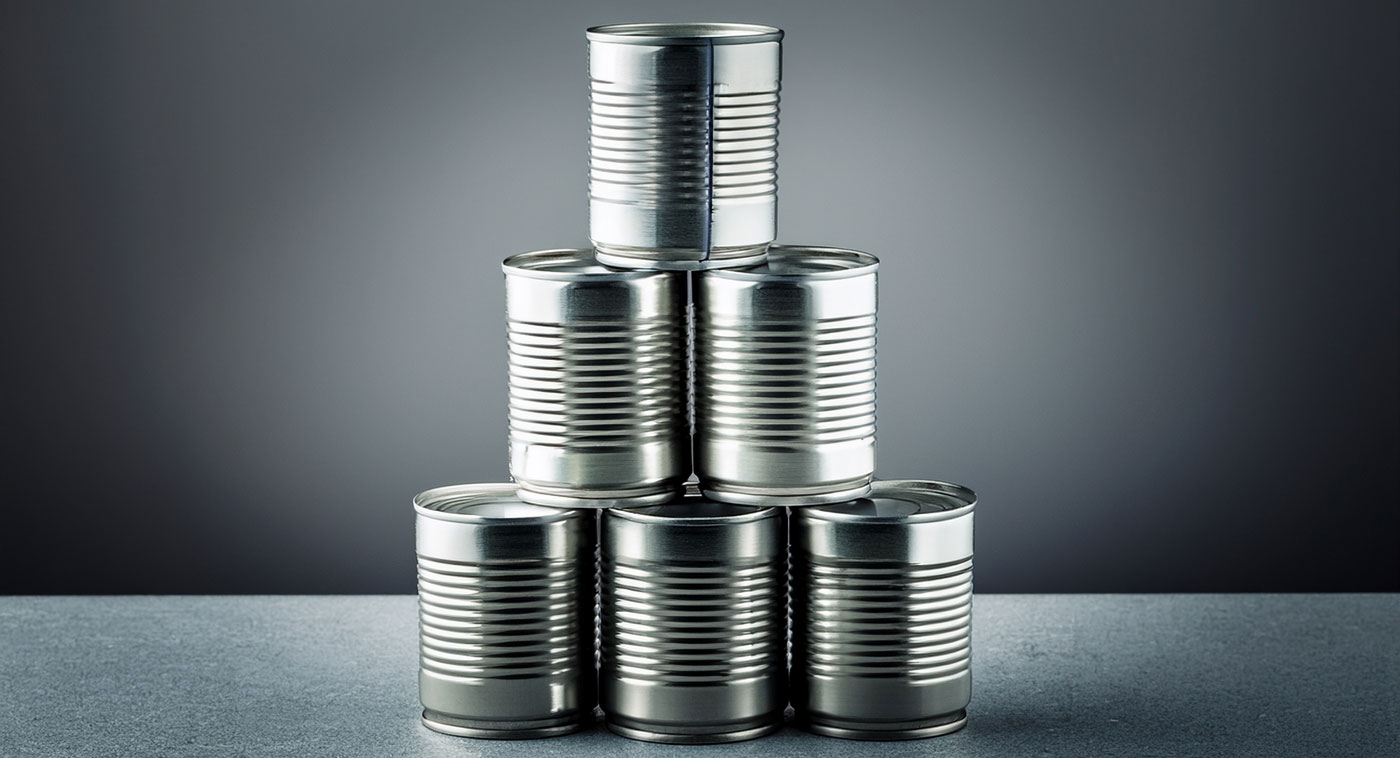
A Wellington household should be ready to feed itself for at least three days, and ideally two weeks, without power, shops, or safe water. The most important actions are storing the right foods, storing them safely, planning how to cook without electricity, and tailoring supplies to your household’s needs.
READ MORE: Click any heading
1. Store enough food for the duration of a major emergency
Two official standards exist, and Wellington households should follow the higher one.
Minimum (NZ Civil Defence / NEMA). Food for at least 3 days for every person - best practice for Wellington.
Food for 1–2 weeks, because:
2. Choose foods that are safe, simple, and long‑lasting
Ideal emergency foods:
-
Canned meals (beans, chilli, stew, soup, tuna, salmon).
-
Canned fruit and vegetables.
-
Peanut butter, nuts, muesli bars.
-
Crackers, wraps, shelf‑stable bread.
-
Instant noodles, pasta, rice (if you have a way to boil water).
-
Long‑life milk or milk powder.
-
Baby food and formula (if needed).
-
Pet food (don’t forget animals).
Why these foods?
-
They don’t require refrigeration.
-
Many can be eaten cold if necessary.
-
They store well for months or years.
3. Plan how you will cook without power
Power cuts are extremely likely after earthquakes or storms.
Prepare at least one alternative cooking method:
Important:
-
Only use gas cookers in well‑ventilated areas.
-
Store enough fuel for at least a week.
-
Have manual can‑openers (plural - one can break).
4. Manage refrigerated and frozen food during power cuts
When the power goes out:
-
Keep fridge/freezer doors closed.
-
A full freezer stays frozen for up to 48 hours; half‑full for 24 hours.
-
Eat perishable foods first.
-
Use frozen water containers (ice cream tubs, bottles) to keep food cold longer.
When in doubt, throw it out. Food poisoning during an emergency is dangerous.
5. Store food safely
-
Keep food in sealed containers to protect from pests.
-
Store in a cool, dry place away from chemicals.
-
Rotate supplies every 6–12 months.
-
Label items with purchase or expiry dates
6. Account for special dietary needs
Civil Defence emphasises preparing extra supplies for babies and people with special dietary needs.
-
Allergies (gluten‑free, dairy‑free, nut‑free).
-
Medical diets (low‑sodium, diabetic‑friendly).
-
Infants (formula, purées).
-
Elderly or people with difficulty chewing.
7. Include pets and animals
-
Store at least 3 days of pet food, ideally more.
-
Keep collapsible bowls in your grab bag.
-
MPI provides specific guidance for animals in emergencies.
8. Prepare a food component for your Grab Bag
If you need to evacuate quickly, include:
-
High‑energy snacks (muesli bars, nuts, chocolate).
-
Water bottle.
-
Baby food if needed.
-
Pet snacks if evacuating with animals.
9. Keep useful tools and supplies
10. Maintain and review your food supplies
-
Check expiry dates every 6 months.
-
Replace items you use in everyday life (“store what you eat, eat what you store”).
-
Update supplies when household members change (new baby, new pets, new dietary needs).