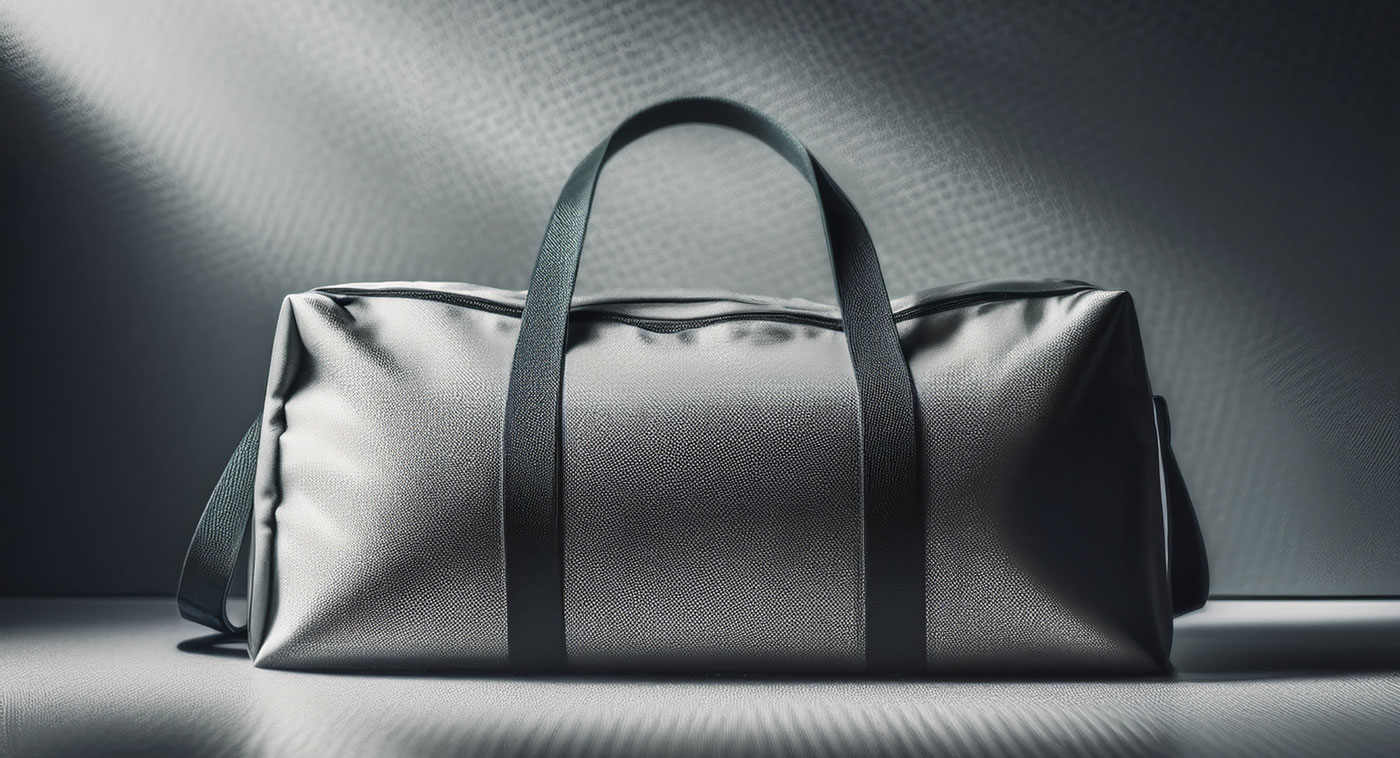
GRAB BAG: The first two days, especially, is critical to prepare for and be self-reliant since there may be power outages, water and sewerage failures, road closures, communication blackouts and limited access to shops, cash, or medical care.
Grab Bag
Prepare a small bag with essentials you can take if you need to leave quickly — identification, medications, a torch, snacks, and copies of important documents.
A grab bag is your leave‑now kit - the one thing you take when you have seconds to evacuate. A well‑prepared grab bag keeps you safe, warm, informed, and able to move quickly until you reach shelter or reconnect with others.
1. Choose the right bag
Use a sturdy backpack that’s comfortable to carry long distances.
Ensure it has:
-
Padded straps
-
Multiple compartments
-
Weather‑resistant material
-
Each person should ideally have their own bag, including children (scaled to their ability).
2. Pack the essential categories
A good grab bag covers survival, communication, warmth, health, and identity.
A. Water and food
-
1–2 litres of water per person
-
High‑energy, long‑lasting snacks:
-
Muesli bars
-
Nuts
-
Dried fruit
-
Chocolate
-
Baby food or formula if needed
-
Pet snacks if evacuating with animals
B. Light and power
C. Clothing and warmth
D. Health and hygiene
E. Documents and money
Copies of:
-
ID (passport, driver licence)
-
Medical info
-
Insurance details
-
Emergency contacts
-
USB drive with important digital copies
-
Cash (EFTPOS may be down)
F. Tools and practical items
G. Personal needs
-
Glasses or spare contacts
-
Hearing aid batteries
-
Mobility aids (compact versions if possible)
-
Comfort item for children
-
Pet leash, collapsible bowl, waste bags
3. Add svacuation‑specific items
These help you leave quickly and safely:
-
Copy of your household emergency plan
-
List of “grab‑on‑the‑way” items (e.g., laptop, hard drive, sentimental items)
-
Checklist of actions before leaving:
-
Turn off power
-
Turn off water
-
Secure pets
-
Lock doors
4. Keep it lightweight and portable
A grab bag should be easy to carry for at least 30–60 minutes.
- Avoid overpacking.
- Prioritise essentials over comfort items.
- Test the weight—aim for under 10 kg for most adults.
5. Maintain and refresh regularly
-
Replace food and water every 6–12 months.
-
Update documents when they change.
-
Check batteries and power banks.
-
Adjust contents for:
-
New babies
-
New pets
-
Seasonal weather
-
Medical changes
6. Prepare one bag per person
Each household member should have:
Shared items (radio, tools, documents) can go in one adult’s bag.