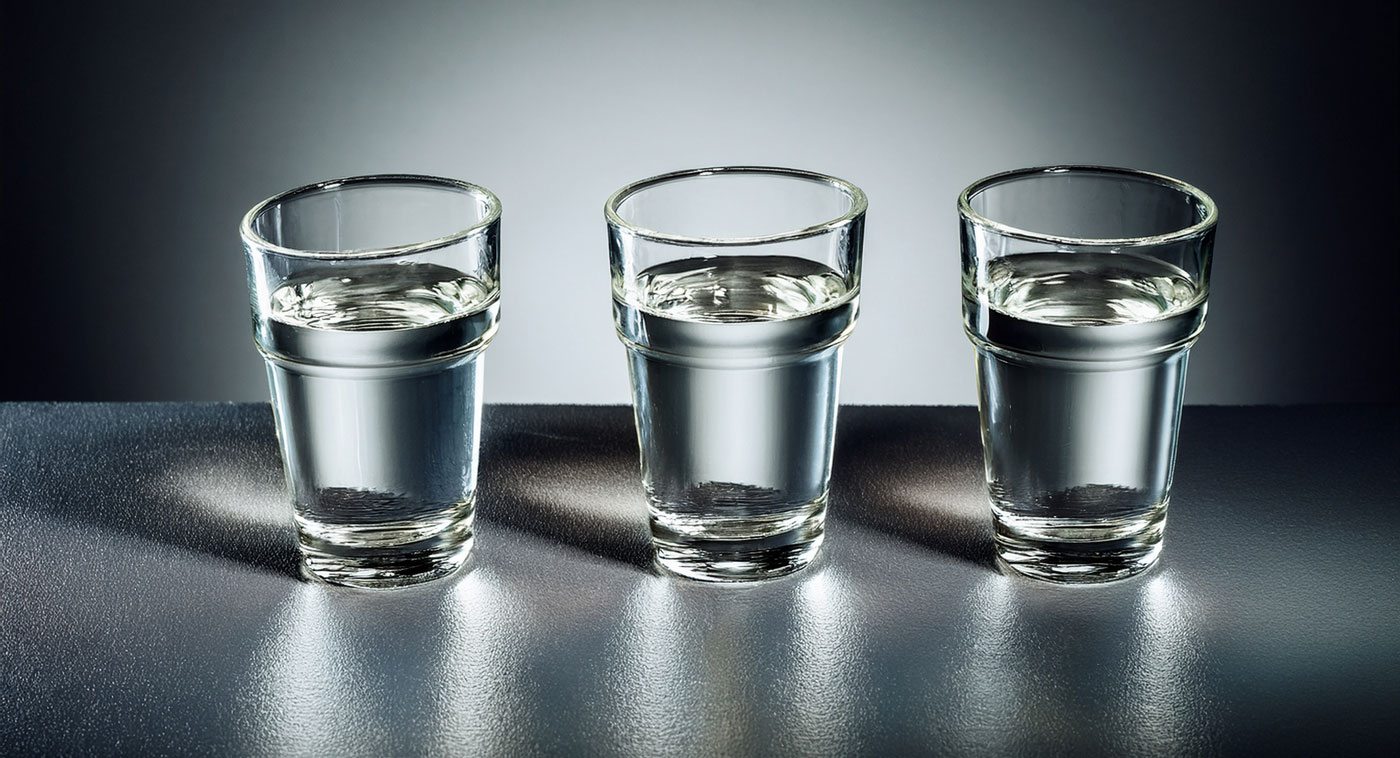
A Wellington household should be ready to be completely without mains water for up to seven days, and in a major earthquake some suburbs could be without water for far longer. The most important actions are storing enough water, storing it safely, knowing how to treat it, and having multiple backup sources.
READ MORE: Click any heading
1. Know how much water to store
Two official standards exist, and Wellington households should follow the higher one.
Minimum (NZ Civil Defence):
- 3 litres per person per day for at least 3 days (9 litres per person) for drinking and basic hygiene.
Wellington Region Recommendation (WREMO & Wellington Water):
Why the difference?
Wellington’s water network crosses multiple fault lines and may suffer severe damage. Some suburbs could be without piped water for 100 days or more after a major earthquake.
2. Choose safe water storage options
Best options:
-
200‑litre emergency water tank (sold by local councils at subsidised prices).
-
Clean, food‑grade plastic containers (e.g., soft‑drink bottles).
-
Ice‑cream containers filled and frozen — useful for cooling food during power cuts and drinking once thawed.
-
Hot water cylinder (if secured).
-
Toilet cistern only if no chemical cleaners are used.
Avoid:
3. Prepare and treat stored water properly
Before storing:
-
Clean containers with hot (not boiling) water.
-
Fill with cold tap water until overflowing.
-
Add plain, unscented household bleach:
-
½ teaspoon (2.5 ml) per 10 litres, or 5 drops per litre.
(Do not use Janola because it contains detergents.)
Before drinking stored water:
If cloudy or contaminated:
4. Plan for multiple backup water sources
A resilient household has several ways to access water:
Primary:
Secondary:
-
Rainwater tanks (ensure you know how to disinfect rainwater).
-
Hot water cylinder (if intact).
-
Community emergency water stations — available from day 8 onward, providing 20 litres per person per day.
Tertiary:
5. Include pets and special needs
-
Pets often drink more during stress.
-
Store extra water for animals (Civil Defence recommends including them in your total).
-
Increase storage if you have infants, elderly, or people with medical needs.
6. Keep water‑related tools and supplies
-
Bleach (unscented, plain).
-
Water containers of various sizes.
-
Funnels, buckets, and lids.
-
Portable water filter (optional but useful).
-
Wrench to turn off water mains if needed.
-
Sanitation supplies (wipes, hand sanitiser, rubbish bags).
7. Maintain your water supply
-
Refresh stored water every 12 months (or sooner if containers degrade).
-
Check tanks for cracks, algae, or contamination.
-
Ensure your hot water cylinder is securely strapped to prevent rupture.
-
Review your household’s water needs annually.
[-CB-104885-CB_Resources Buttons-]